The Golden Rule: Pick Your Filter Before You Leave
Here is the whole method in one sentence: pick one tone before you head out, and let it ride all day. Warm for sunlight. Black and white when the lines should speak for themselves. Sepia for markets, late afternoons, terraces. Blue when the mood is cool and a little melancholic.
This is not limiting yourself. It is deciding. And when you decide once, you stop second-guessing at every shot. Your hands stay free. Your eyes stay up. You catch the awning, the dog, the texture of the ice melting. The camera does its one thing, and you get to do yours: just being there.
Light Is Everything
It is the only setting you really have, and it is the most powerful one. Paper Shoot loves natural light. It receives it, holds it, transforms it.
Keep the sun behind you
For portraits, street scenes, everyday moments: keep the light source behind you or to the side. It falls on your subject, creates that small glow everyone loves, and the camera simply records it. No silhouettes, no underexposure. Just light doing its job.
Golden hour changes everything
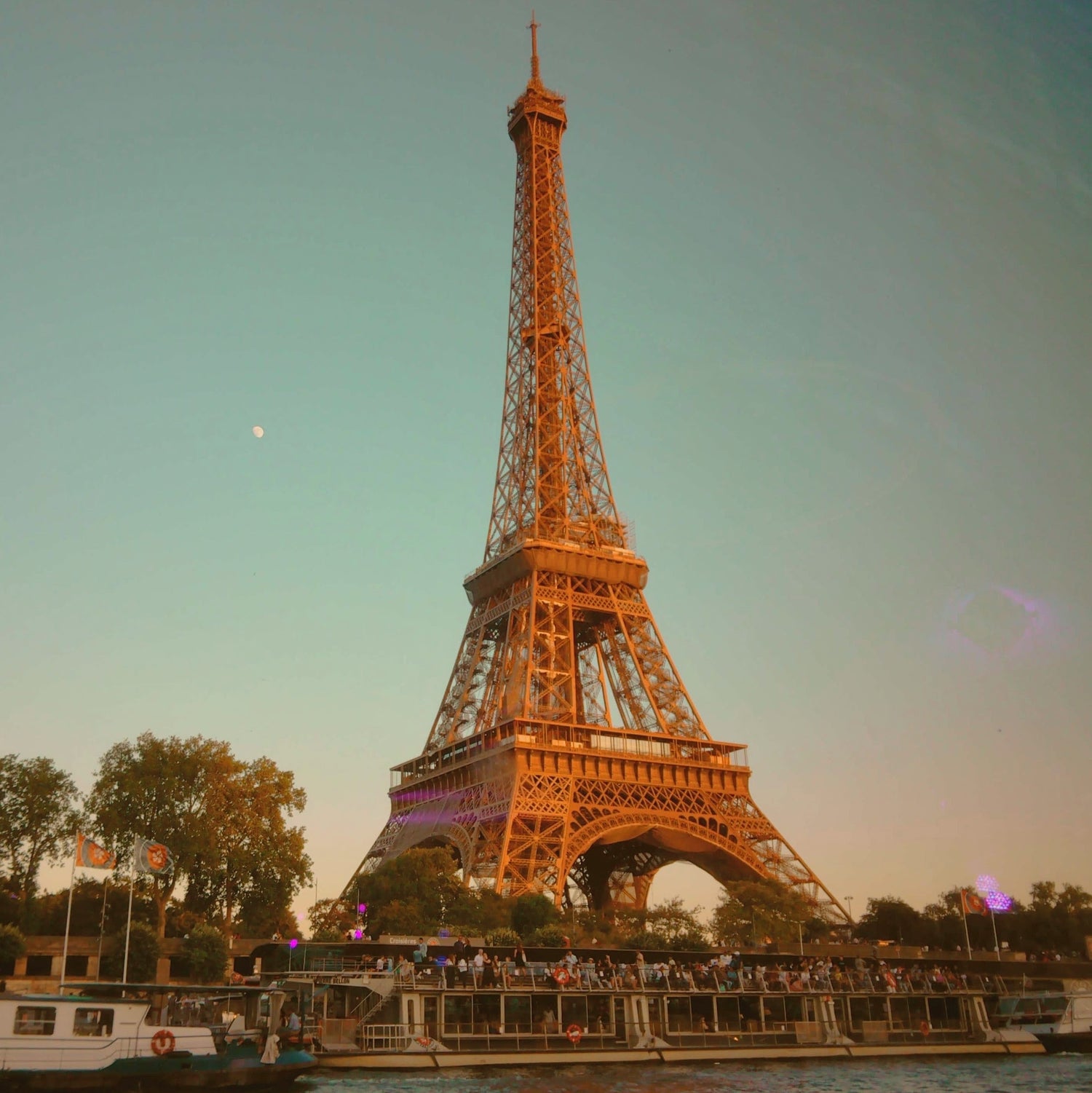
The light just after sunrise and just before sunset is the most flattering there is. Warm, angled, almost orange. Paper Shoot does something particular with it: the colour and sepia filters catch it and produce that look you cannot find at any other time of day. If you can choose your hour, choose that one.
Late afternoon: shoot toward the light
Late afternoon is doing you a favour: the light is already golden and forgiving. Lean into it. Set a warm or retro filter before you leave, then shoot toward windows and reflections. You are not correcting anything later. That is the point. Shoot a few of the same corner as the sun drops. Later, those small differences are what make the set feel like an evening, not just a photo.
Indoors: get close to a window
In most situations you do not need a flash if you have a window. Place your subject near it, side-on. Side light creates volume, depth, and a softness that frontal light never gives.
Stay Still and Let the Click Happen
Paper Shoot works in two steps: the first press triggers the autofocus and emits a small beep. Wait a tiny bit for the shutter button and voilà ! Between the two, do not move.
This habit changes everything. A lot of blur comes from releasing too fast after the first click. Wait for the beep. Hold. Then press again. The photo is sharp, the moment is there.

Choose Your Filter for What You Are About to See, Not What You Are Seeing
- Colour: your everyday filter. Slightly desaturated tones, gentle warmth, a film feel without going too far. Perfect for markets, travel, time with friends.
- Black and white: when colour distracts. Portraits, street, textures, strong contrasts. There is something freeing about black and white: you stop thinking about colour and start seeing light, form, and emotion.
- Sepia: the most nostalgic of the four. Warm golden tones give a memory-like atmosphere. Perfect for end-of-day light, family gatherings, moments you want to keep for a long time.
- Blue: cool, slightly melancholic. Landscapes, the city in the rain, quiet morning moments. And with an external battery plugged in, it becomes your Full HD video mode too.
Compose a Small Story Instead of a Giant Pile
Give your day a shape. Start with where you are when it begins: the kitchen, the car, the street. Spend the middle on the good part: the market, the friends, the long lunch. End with the wind-down. You are not rationing photos out of stinginess. You are composing a small story instead of a pile.
When you cannot peek between shots, you commit to each frame a little more. That tiny bit of pressure is the good kind. It is what makes a small set feel deliberate instead of random.
Get Close. Really Close.
Paper Shoot has a fixed focal length. There is no zoom. So if you want something to fill the frame, you move toward it. And that movement often changes everything: the angle, the proximity, the intimacy of the shot. The best Paper Shoot photos are often the ones where the photographer got close enough for the subject to take up the whole space.
Shoot Through Things
Sunglasses. A glass. Flower petals. Branches. A cafe window. Whatever sits between you and your subject can become a natural filter, an unexpected texture, a frame within the frame. The camera accepts the suggestions you give it.
The "Failed" Shots? Those Are Often the Favourites.

A slightly blurry subject. A shadow you did not see coming. A crop that cut off more than you planned. Those photos tell something the perfect shot does not: that you were there, that things were moving, that the light was the light of that exact moment and not any other.
Do not delete them too fast. Wait a few days. Often those are the ones that last.
Going Further: Filter Cards
When the four built-in filters are not enough, filter cards open a different world. Classic Film for 35mm grain, Softday for faded pastels, Moody for cinematic shadows, Teal & Orange for the Hollywood grade. They slot into the camera in seconds and entirely change the personality of your photos, no app, no editing.
And if you want to push further, clip-on lenses (wide angle, macro, fish eye, kaleidoscope) attach in seconds and open entirely new perspectives.
One Last Thing
Resist the urge to look at your photos straight away. Wait an evening, a night, a weekend. When you open them, you will see them with fresh eyes. And that gap between the moment and the discovery is precisely what makes some photos actually stop you.
That is the spirit of Paper Shoot. Nothing to review between shots. Hands free. Eyes open. And later, something that actually looks like what you lived.
Explore our full guide to vintage digital cameras or browse the Paper Shoot collection.