One Number to Start
In 2026, humanity takes roughly 1.8 trillion photos per year. That is over 57,000 photos every second. Most will never be looked at again. Many will never be shown to anyone. They exist in a cloud somewhere, compressed and forgotten.
Slow photography was born from this paradox: we have never photographed more, and photos have never meant less.
What Slow Photography Actually Is
Slow photography is a movement — and a practice — built around shooting with intention rather than abundance. Fewer shots. More presence before each one. Attention given to the light, the framing, the moment, before the finger even moves.
It is not photography that is slow in the sense of taking hours to set up each image. It is conscious photography. You choose when to press, rather than pressing constantly and choosing afterwards.
The term comes from the slow movement born in the 1980s — slow food, slow travel, slow living. The same idea: get back to what matters, slow down not out of constraint but out of conviction.

What Fast Photography Made Us Lose
Digital photography changed everything at once: the marginal cost of each photo dropped to zero. You can take a hundred, keep one, delete the ninety-nine. What looks like freedom is also a trap.
When every photo costs nothing, every photo is worth less. You no longer choose before shooting — you choose afterwards. And that constant sorting, that review of thousands of images, consumes time, attention, energy. It also turns the lived moment into raw material to process rather than an experience to inhabit.
Film photographers have always known this: constraints create meaning. When a roll only holds 36 frames, each frame is a decision. That decision forces you to see — really see — before pressing.
The Principles of Slow Photography
1. Decide before you shoot
Slow photography starts in the eyes, not in the finger. Before pressing, you look. You observe the light, the composition, the subject. You ask: do I actually want this photo? If yes, you shoot. If not, you let it go.
2. Choose one angle for a session
One place. One hour. One subject. Slow photography encourages depth over breadth. Rather than shooting everything you see across a full day, you spend an hour on one spot, one light, one idea. The results are more coherent, more powerful, more personal.
3. Do not look immediately
This is perhaps the most counter-intuitive principle — and the most powerful. Do not check each photo right after taking it. Leave time between the moment of shooting and the moment of discovery. That gap creates a distance that lets you see the photos differently: with less ego invested, more honesty.
4. Print what you keep
A photo that exists only on a hard drive barely exists at all. Slow photography encourages giving physical form to the images you truly love: print, enlargement, album. An object you can hold, show, leave to someone.

Why This Movement Is Happening Now
It is no coincidence that slow photography is emerging in 2025-2026. It is a direct response to three simultaneous phenomena.
Image saturation. Social media has produced an unprecedented photographic inflation. When everyone posts dozens of photos a week, each individual photo loses value. Scarcity becomes desirable again.
AI fatigue. In 2026, you can no longer tell whether an image was taken or generated. That uncertainty has produced the opposite desire: images that carry proof of their reality. Grain, blur, imperfection — all signatures that AI cannot convincingly imitate yet.
The return to the body. After years of increasingly dematerialised life, people want objects, gestures, physical constraints. A camera you hold, direct, point. An act that engages the body, not just the eyes.
How to Start Practicing Slow Photography
You do not need an expensive film camera or a professional SLR. Slow photography is a posture before it is equipment.
What helps:
- A camera with no check screen — it removes the compulsion to review and forces trust in the moment
- A limited number of shots per session — an artificial constraint if needed
- A filter or aesthetic chosen in advance — one less decision to make in the moment
- A wait between shooting and discovery — even a few hours is enough
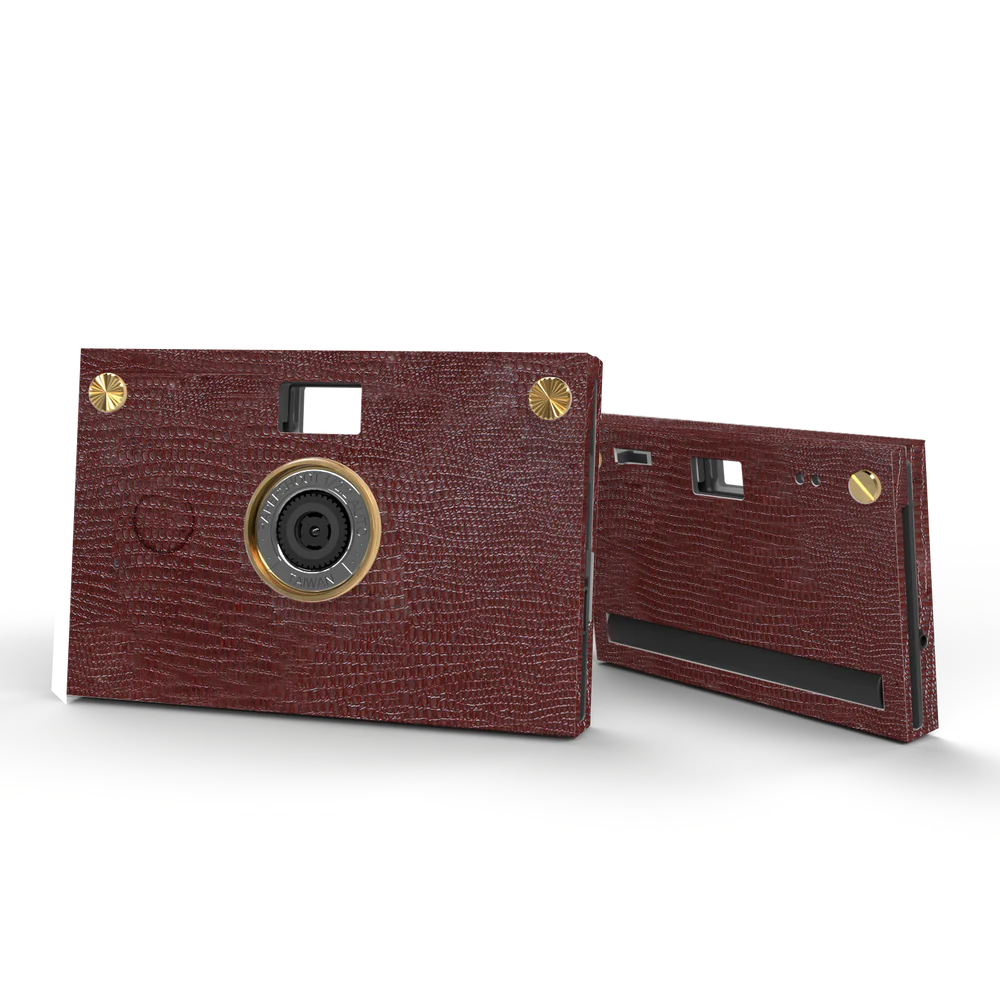
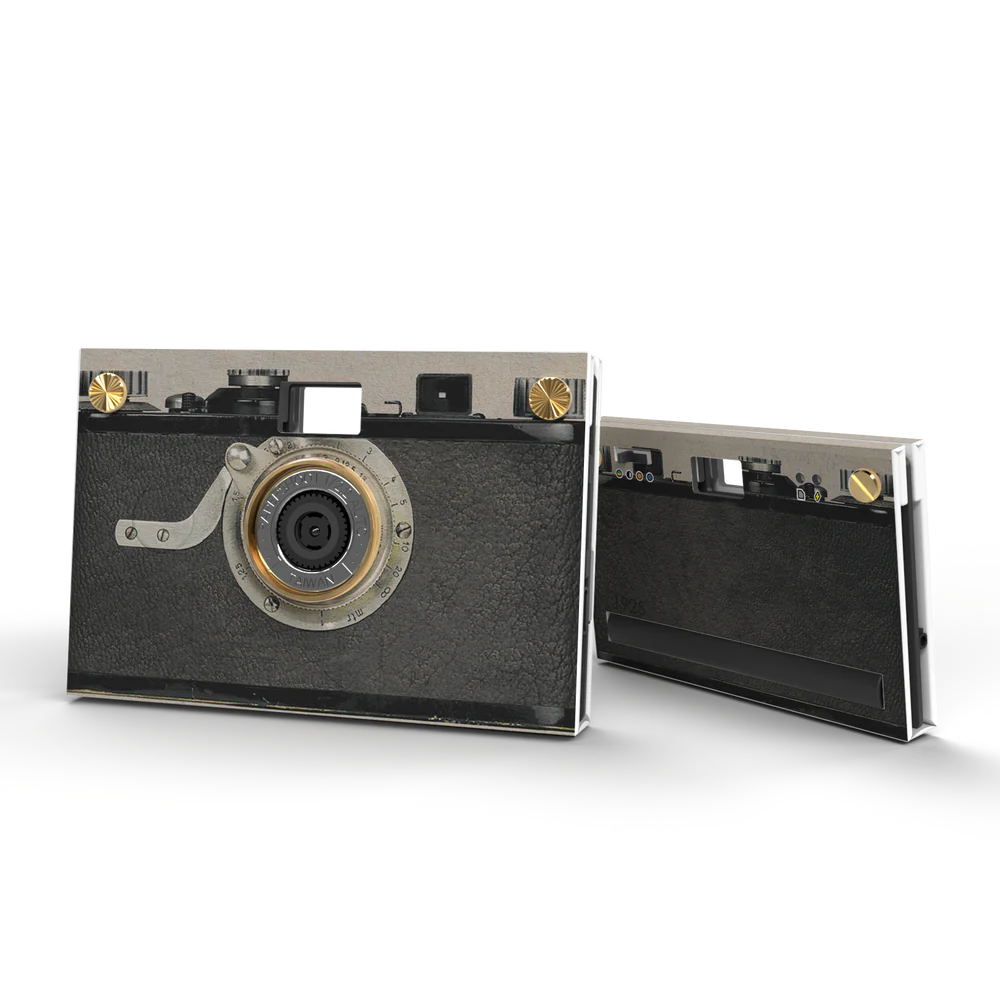
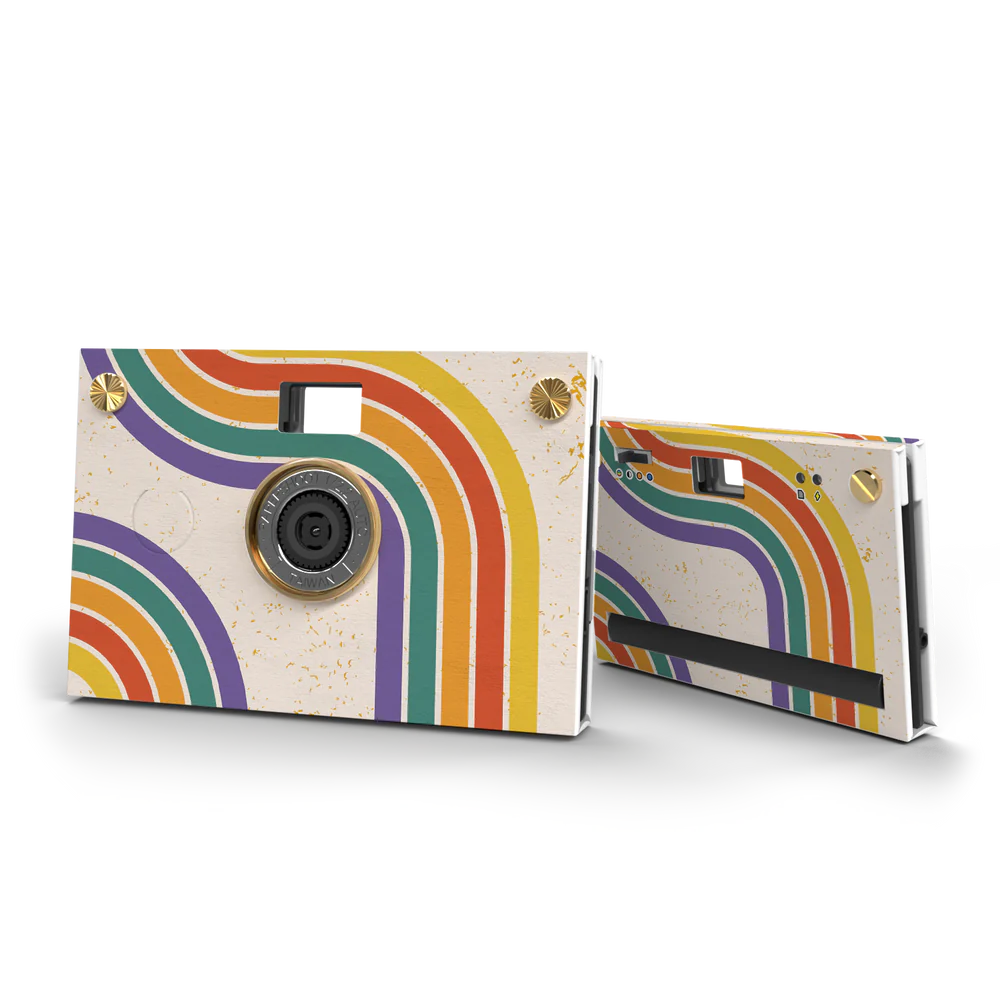
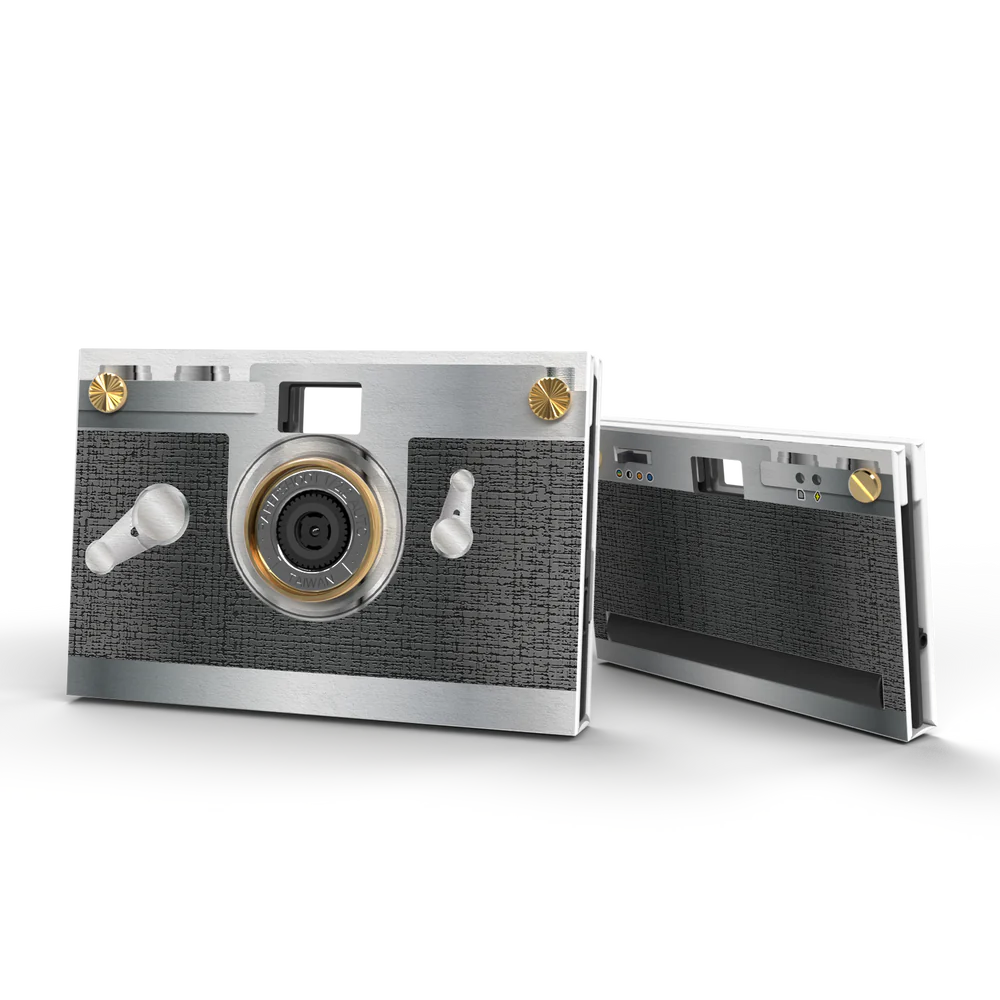
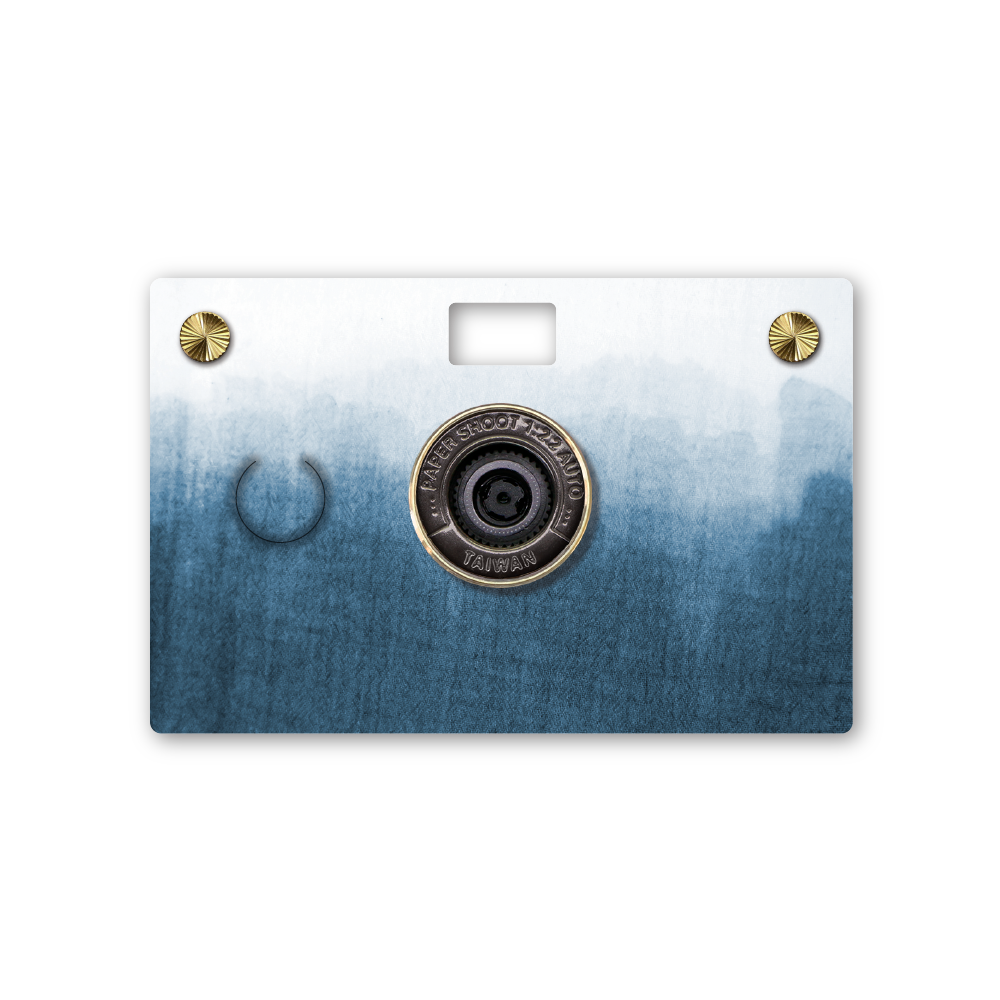
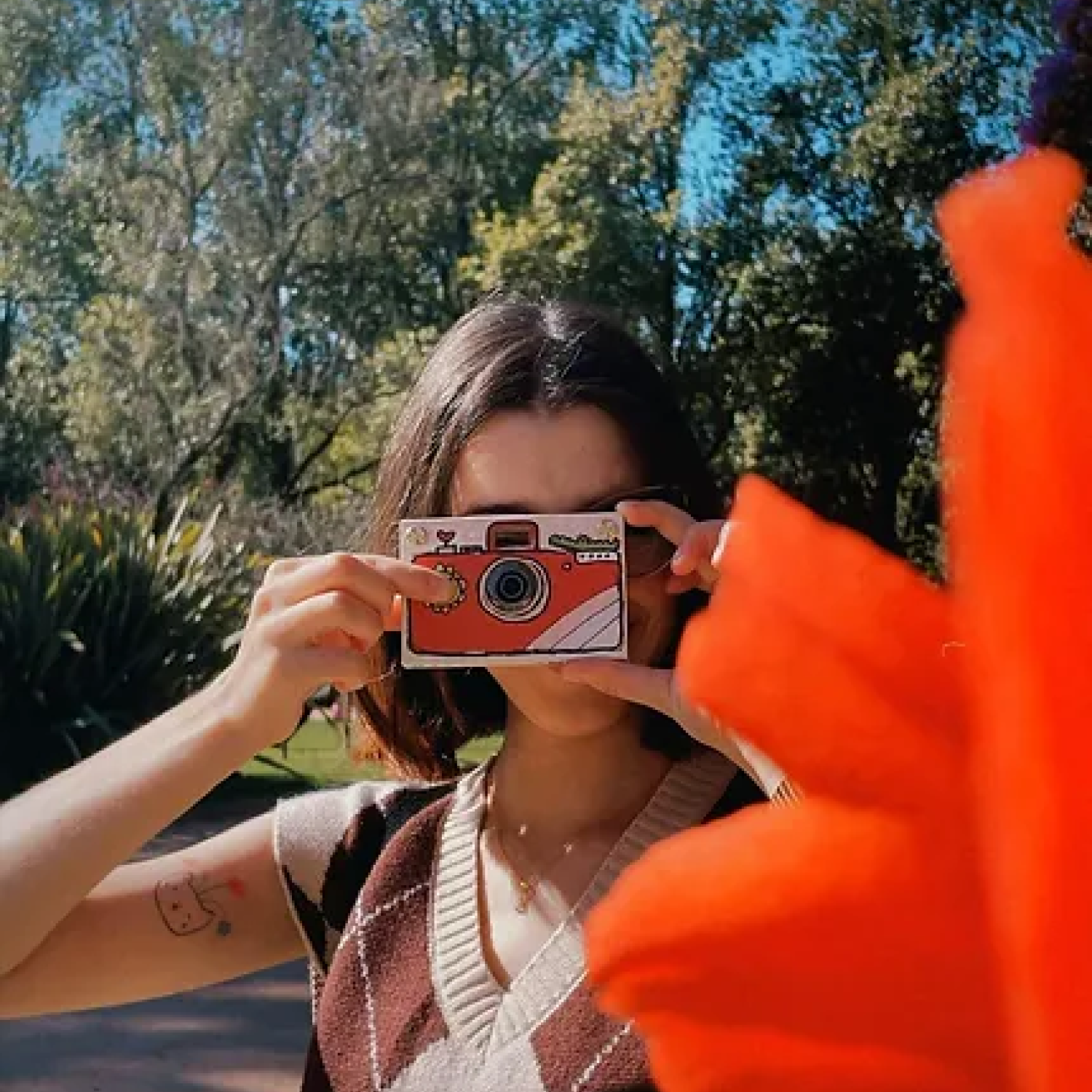
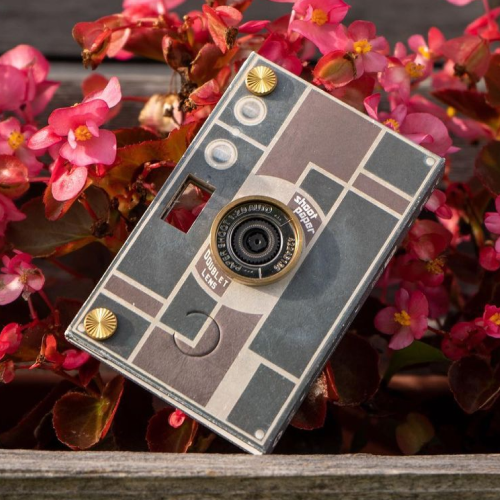
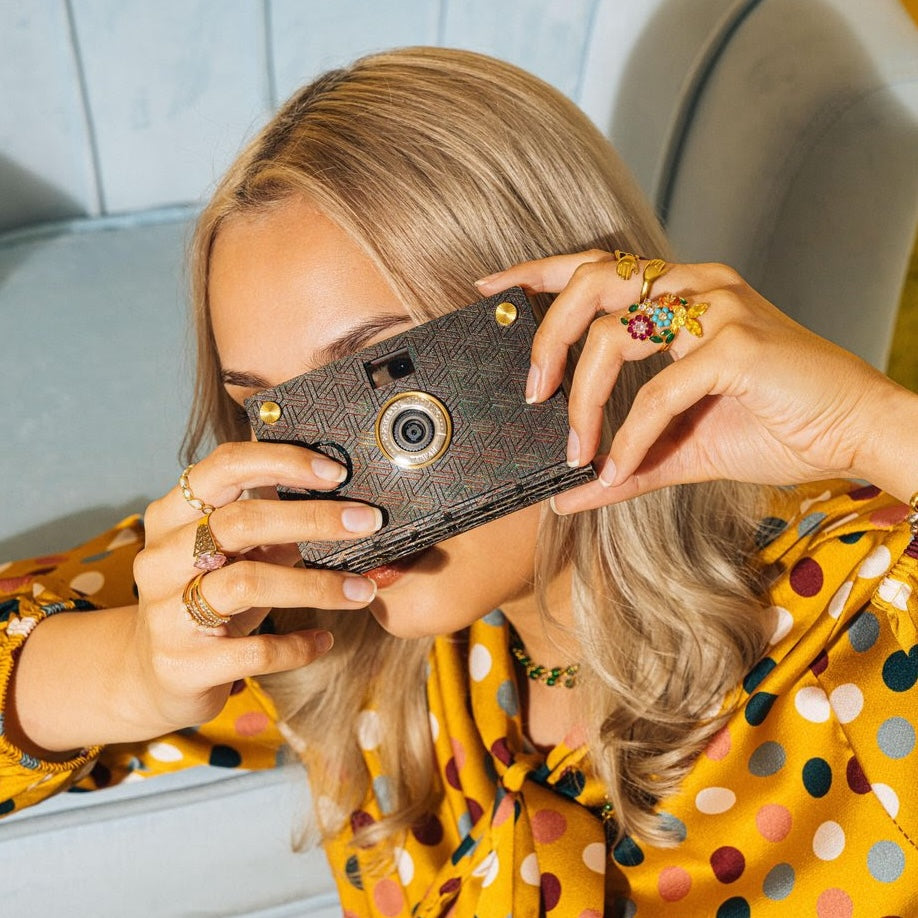
That is exactly why screenless cameras like the Paper Shoot have become the natural tools of slow photography: they make compulsive checking structurally impossible. No screen, no temptation. Press, put it away, keep living.
Slow photography is not nostalgic. It is not anti-technology. It is simply in favour of a relationship with images that leaves room for the experience itself. Shoot less to see more. Keep less to hold more.
To go further on what screenless photography changes in practice: our guide to vintage digital cameras in 2026.