Your Phone Takes Brilliant Photos. So Why Does Something Feel Missing?
The camera on your phone is, by almost every technical measure, extraordinary. It has multiple lenses, a sensor that shoots in near-darkness, AI that knows when you're about to blink, and more processing power than the computers that sent humans to the moon.
And yet.
Scroll back through your camera roll. Ten thousand photos, maybe more. How many of them actually feel like something? How many make you stop, rather than just scroll past?
Something is happening in 2026. Quietly at first, then loudly. People are putting down their phones mid-moment, reaching into their bag for something smaller, simpler, and screen-free. Not because phone cameras got worse. Because people realised what phone cameras were costing them.
The Numbers Are Hard to Ignore
This isn't a niche feeling. It's a measurable cultural shift.
Google searches for "going analog" hit an all-time high in late 2025, and the trend accelerated sharply into 2026. Worldwide interest in film cameras roughly doubled in the second half of 2025 compared to the first. TikTok communities declared 2026 "the year of the analog." Sales of compact dedicated cameras rose for the first time in years, with 2.4 million people actively switching away from smartphone-only photography in the first quarter of 2026 alone.
A survey by Talker Research found that nearly half of Americans now deliberately set aside screen-free time — and most said it made them feel more present, more productive, and more like themselves.
The phone camera backlash is real. Here's what's driving it.
1. The Algorithm Has Colonised How We See
When you take a photo on your phone, you're not just capturing a moment. You're feeding a machine.
Your phone's camera app is designed to connect seamlessly with social platforms. Every photo is implicitly evaluated for its shareability — by you, before you even consciously think about it. Over time, this changes what you photograph. You stop shooting the messy, private, unremarkable moments. You start shooting for an audience that may not even exist.
As one researcher put it: "Engaging online is increasingly conflicting with authenticity and mental health — especially for younger generations." Photography, which was once a deeply personal act, has become a performance. And people are exhausted by it.
2. Abundance Has Killed Meaning
The average smartphone user takes over 2,000 photos a year. Which sounds like a lot of memories — until you realise that most of them will never be looked at again.
When something is infinite, it loses value. When you can take a hundred versions of the same shot and delete ninety-nine, the one you keep doesn't feel earned. It feels arbitrary.
Film photographers have always known something digital shooters are only now rediscovering: constraints create meaning. When you have 24 frames on a roll, every shot matters. When you can't see the result until later, the act of taking the photo becomes the experience — not the review of it.
3. The Phone Pulls You Out of the Moment

This is the one people feel most viscerally. You're at a concert, a wedding, a birthday dinner. You get your phone out to capture the moment. And suddenly you're not in the moment — you're documenting it. You're the archivist of your own life, not the person living it.
The phone doesn't just distract you with notifications (though it does that too). It inserts a screen — literally — between you and the world. And a screen is, almost by definition, a portal to somewhere else.
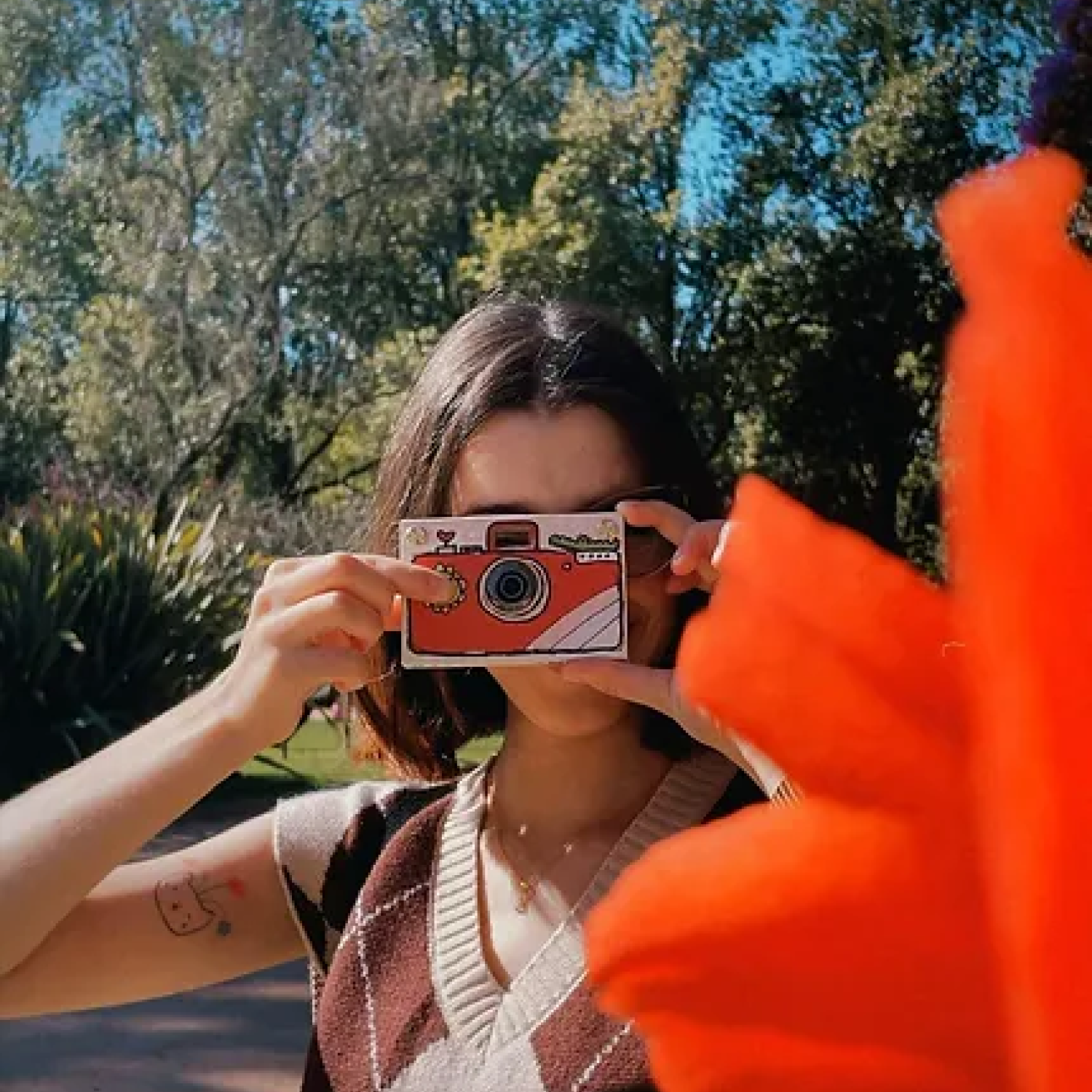
A camera without a screen doesn't do this. You point, you shoot, you put it away. The moment continues.
4. Gen Z Is Leading the Rebellion
It's the generation that grew up entirely online that is most visibly walking away from it. Gen Z is buying dumb phones, deleting social apps, and — increasingly — choosing cameras that cannot connect to the internet at all.
The aesthetic is part of it: the grainy, warm, imperfect images that come from a real camera feel authentic in a way that AI-processed phone photos increasingly do not. But it goes deeper. For many young people, a dedicated camera is an act of intentional living — a deliberate choice to be somewhere, with something in their hands that is designed for one thing only.
As one analyst described it: the retro camera revival is driven by three forces — authentic aesthetics, the tactile satisfaction of physical controls, and a rebellion against instant-gratification culture.
5. AI Has Made "Perfect" Meaningless
Modern phone cameras don't just capture light — they reconstruct reality. HDR processing, AI skin smoothing, automatic sky replacement, night mode that turns 11pm into noon. The photo you get is not what you saw. It's what the algorithm decided you should have seen.
This hyper-perfection has had an unexpected effect: it makes everything look the same. Travel photos from Tokyo and travel photos from Lisbon share the same tone, the same dynamic range, the same processed clarity. The human and the place have been smoothed out of the image.
Imperfection, it turns out, is how you know a photo is real. Grain, blur, unexpected shadows — these are the fingerprints of an actual moment. And that's exactly what people are searching for.

What People Are Picking Up Instead
The shift away from phone cameras isn't a shift back to nothing. It's a shift toward something more intentional.
Film cameras are having a moment — but they're expensive to run, require labs for development, and produce a finite number of shots. Disposable cameras scratch the nostalgia itch but end up in landfill after twenty-seven frames.
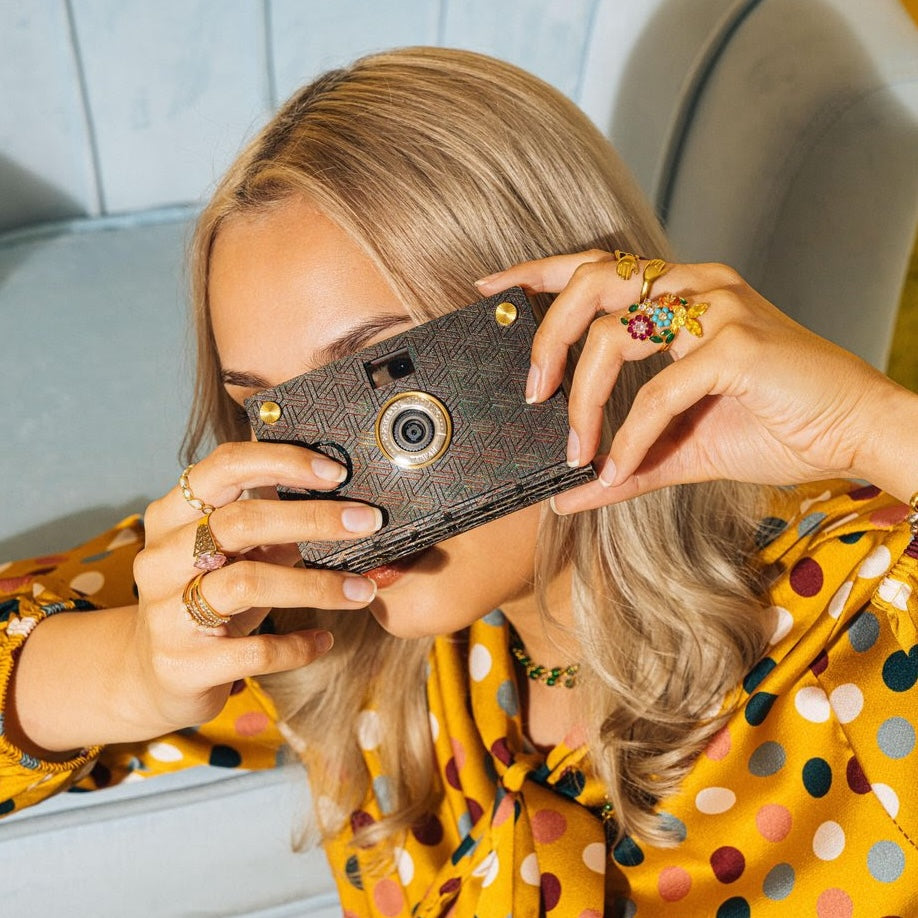
The option growing fastest is the dedicated digital compact camera — small, pocketable, screen-free, and designed to produce photos that look and feel like memories rather than press releases. Cameras that keep you present rather than pulling you out of the room.
If you want to understand what's driving the trend from a photographic standpoint, our guide to the best vintage digital cameras in 2026 goes deep on exactly this.
The Deeper Thing

At its heart, the phone camera backlash isn't really about photography at all.
It's about the growing sense that our phones have become too central — to our attention, our memories, our experience of being alive. Taking photos with a dedicated camera is, for many people, one small but concrete way to reclaim something. To be present. To create something that has texture and weight and imperfection.
To make a memory, rather than just file one.
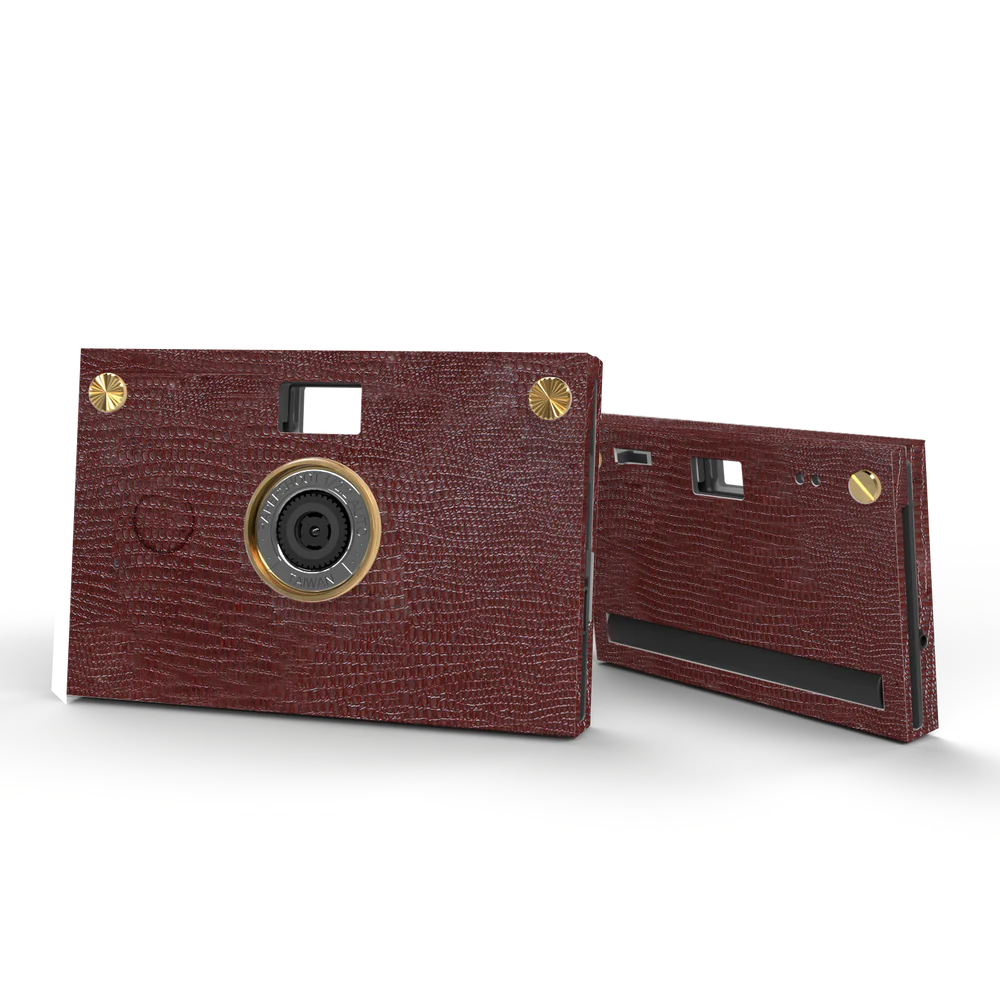
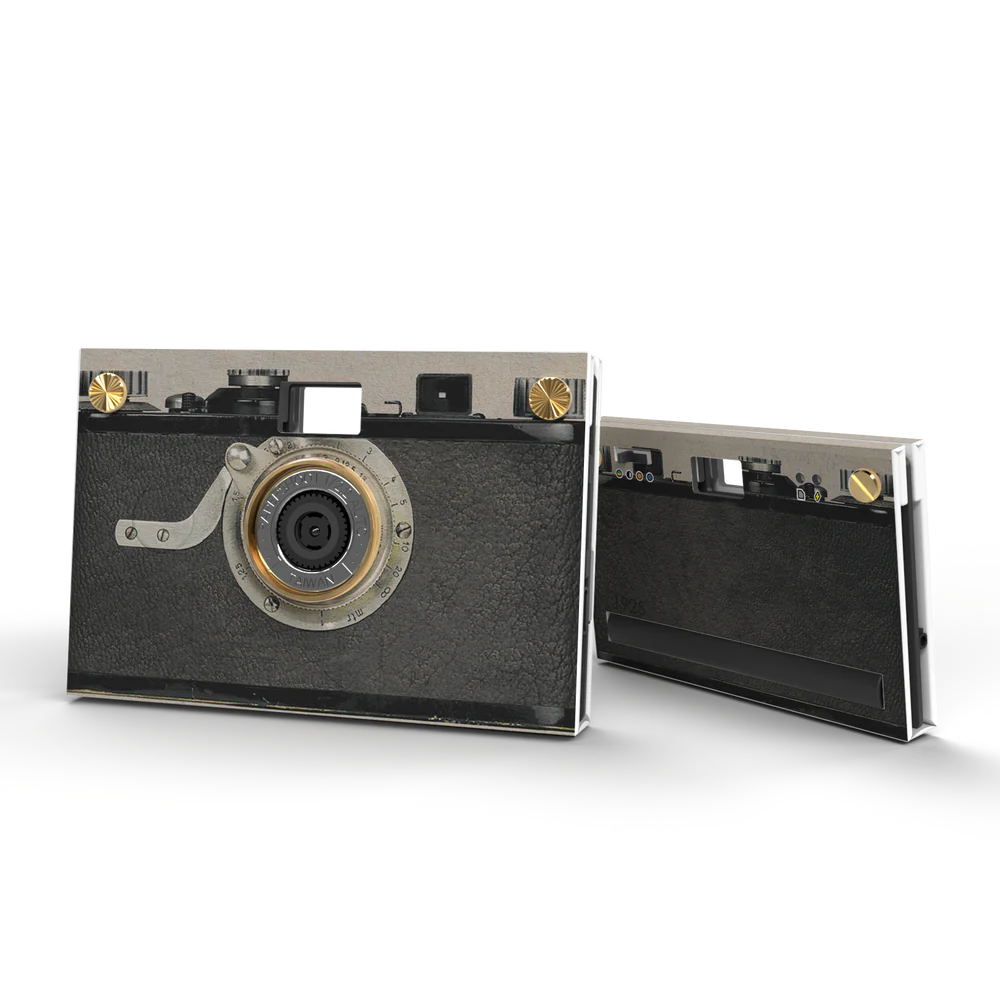
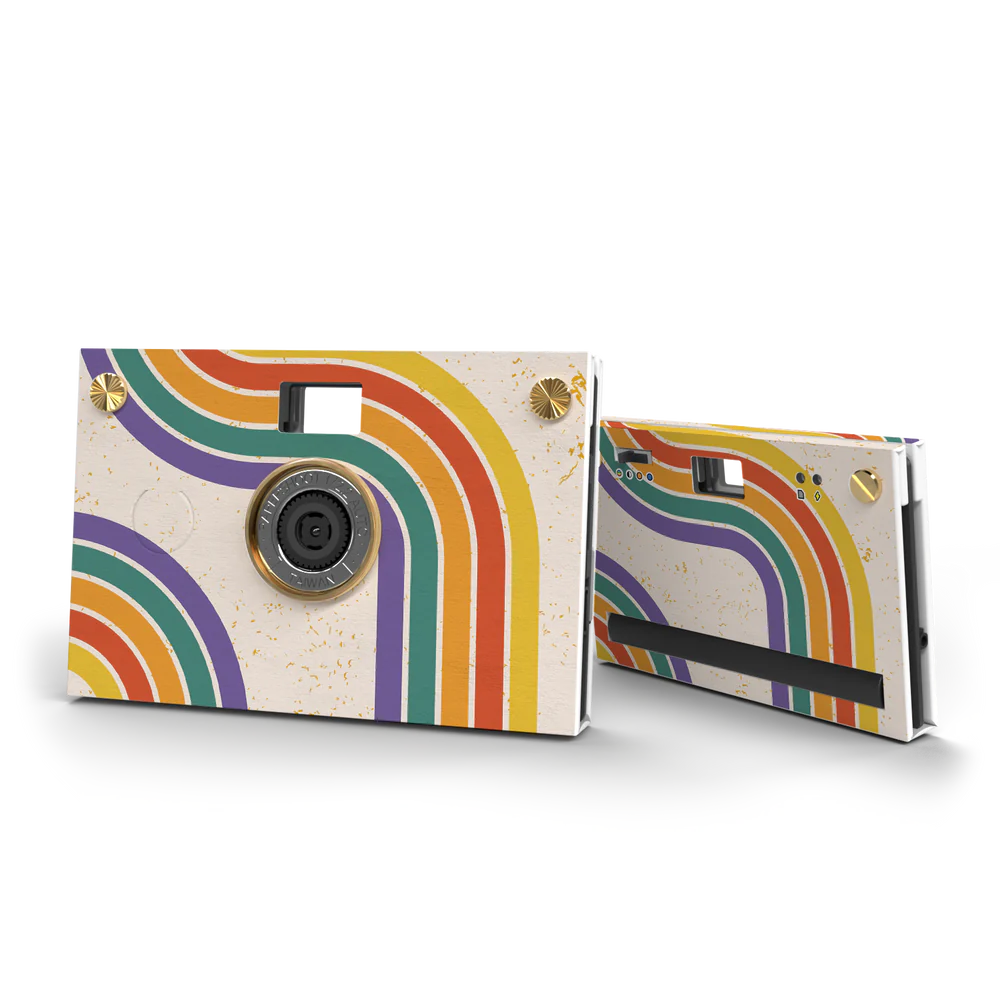
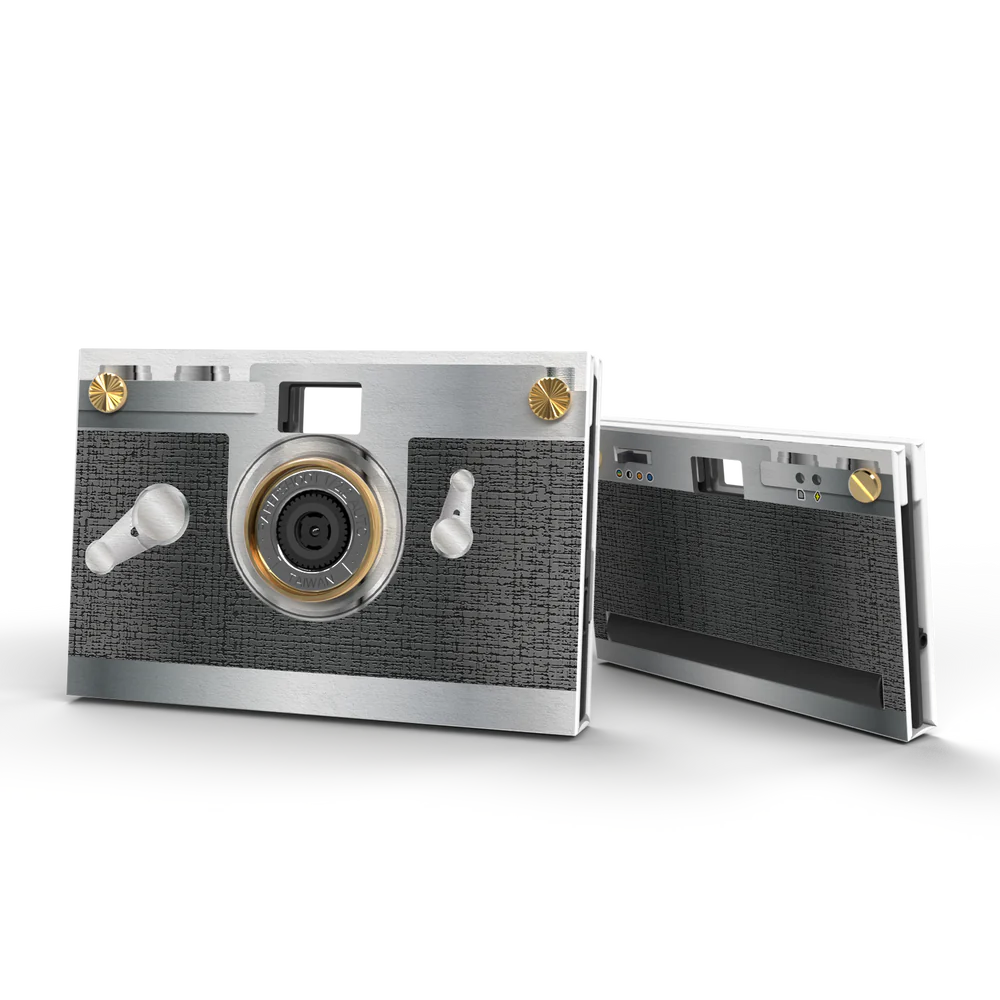
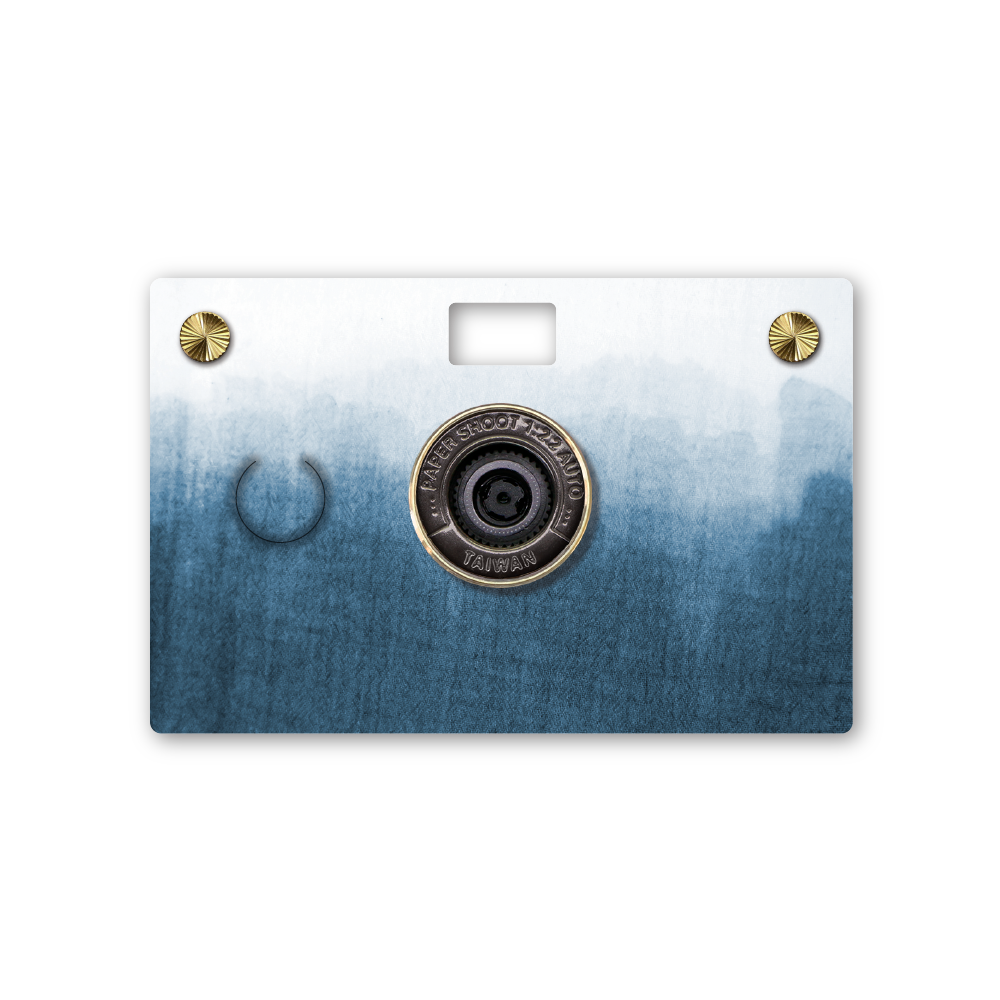
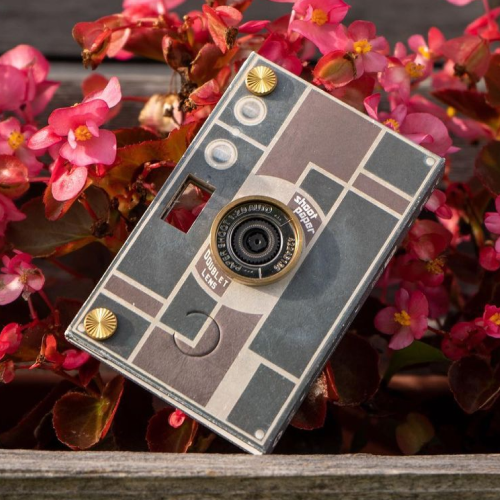
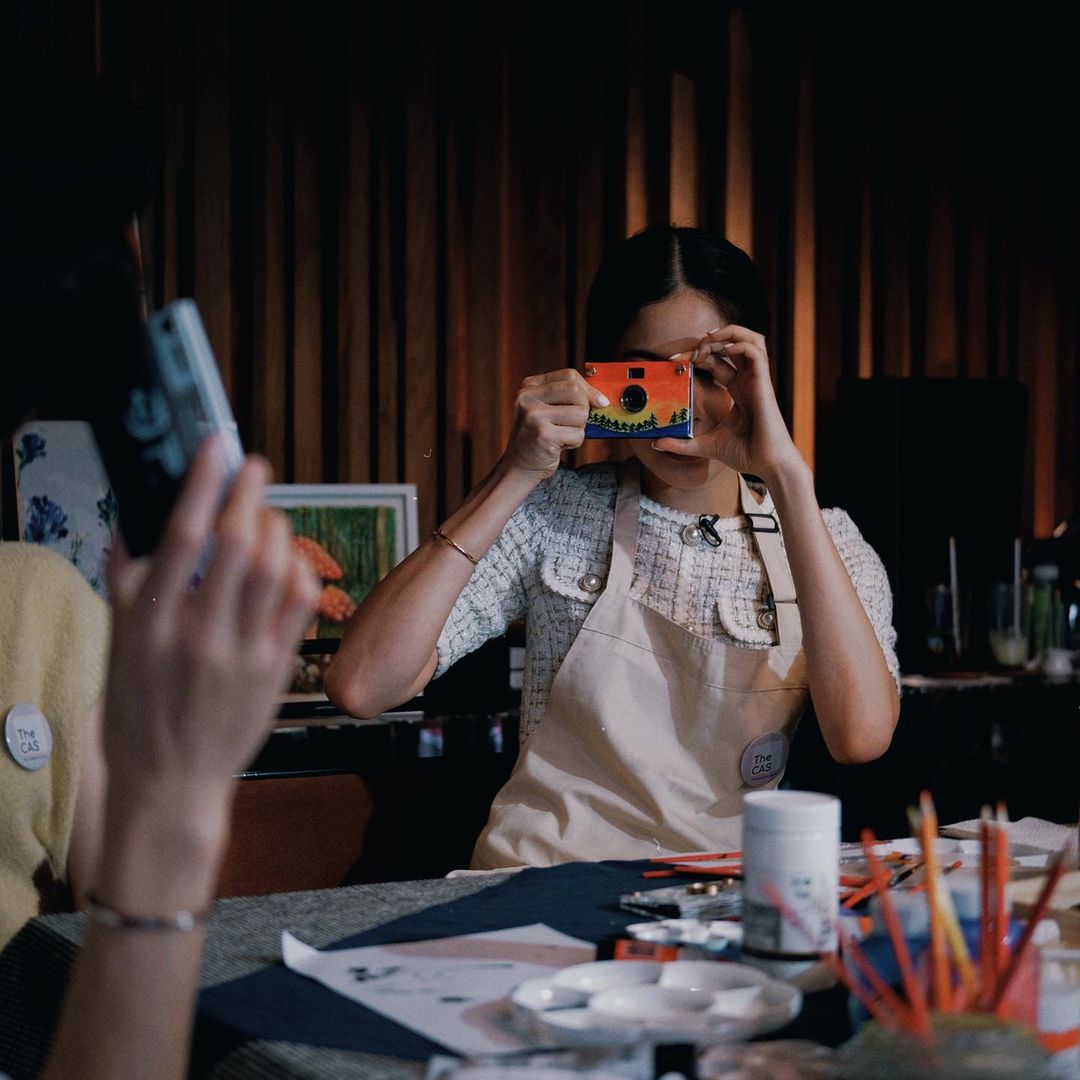
The Paper Shoot was built exactly for this moment — not because it predicted a trend, but because it was designed around a belief that has always been true: the best camera is the one that disappears, and lets you be there instead.