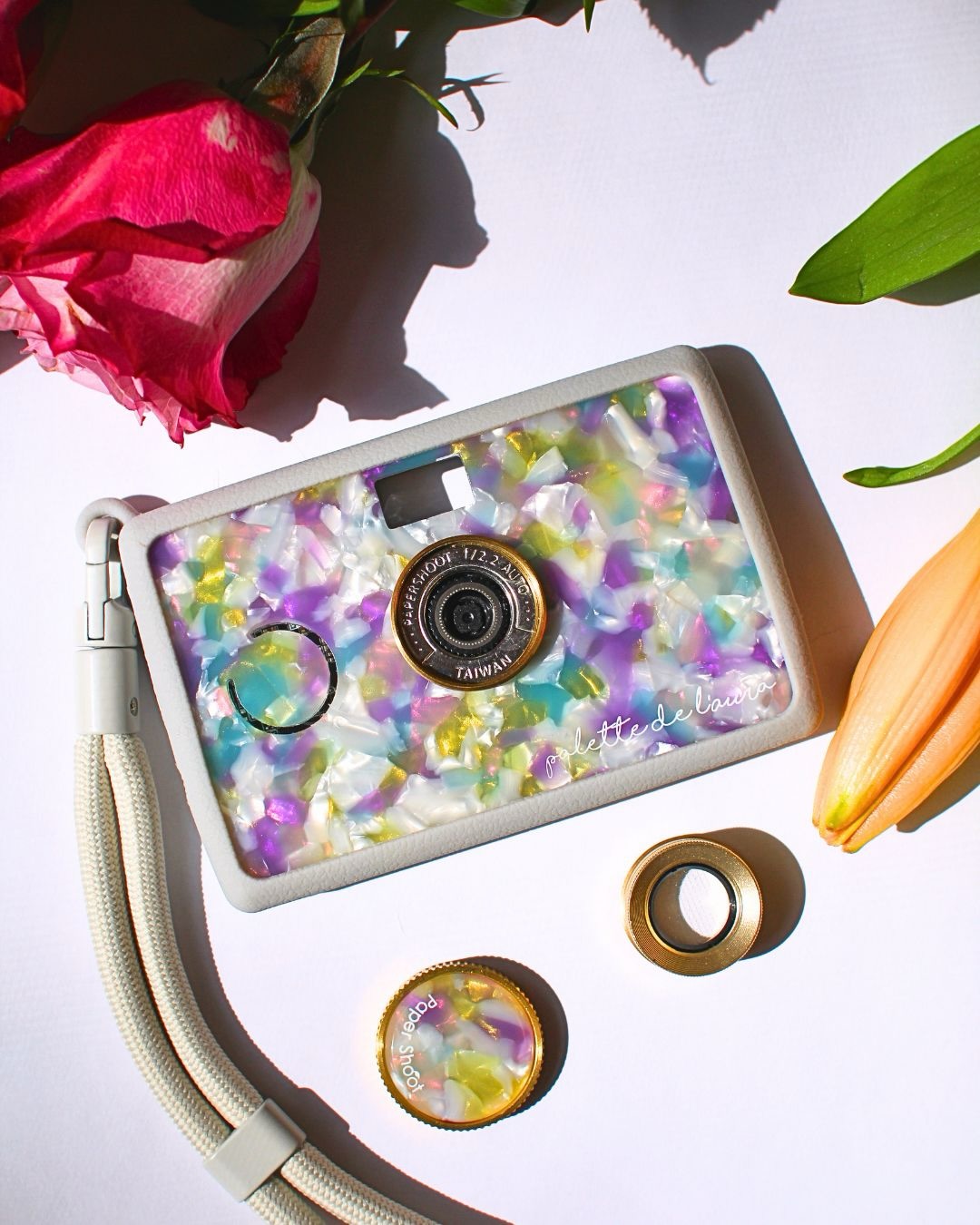
The Summer Reflex
It's a ritual as old as summer holidays. You walk past a pharmacy or a corner shop, you see a rack of disposable cameras at 12 or 16 euros, and you grab one. Maybe two. Because it's easy, because it's fun, because the grainy, warm photos are exactly the kind you love looking back at.
But in 2026, this reflex is worth questioning. Not because disposable cameras are bad, but because there are now digital alternatives that offer the same experience, better, for less money over time, and without the frustrations you always end up with.
Here is an honest comparison of both.
What People Love About Disposable Cameras
To be fair: disposable cameras have real qualities, which is why they have survived for decades.
- Immediate availability. You can find them everywhere, even at the last minute, even on a small island with no specialist shops.
- Zero complexity. No settings, no parameters, no SD card to insert.
- The film aesthetic. That grain, that warmth, those slightly faded colours you cannot find anywhere else.
- No screen. You cannot check, reshoot, delete. You are forced to let go. And paradoxically, that is often exactly why you love the photos you get.
That last point is the most important one. The experience of photographing without a screen, without immediate feedback, with the anticipation of discovering your photos later, is what people are really looking for when they buy a disposable. Not the 27 frames. Not the camera itself.
What People Like Less
The real cost is much higher than it looks
A disposable camera costs between 12 and 18 euros depending on where you buy it. But that is only the start. You still need to pay for development: between 15 and 25 euros depending on the lab, the format and the turnaround. And if you want digital scans too, which most people do, add a few euros more.
In the end, 27 photos cost you between 30 and 45 euros. That is between 1.10 and 1.65 euros per photo. Before you even know whether they came out well.
The failed shots are gone forever
Out of 27 frames, how many are actually good? With a bit of luck, maybe fifteen. The rest is blur, underexposure, missed framing. And you paid for all of it.
The wait can be long
Between finishing the roll and having your photos in hand, you are often looking at one to two weeks. Some labs are faster, but rarely under five days.
It is a single-use product
Once the 27 photos are taken, the camera is finished. It goes in the bin, or in a recycling collection point if you remember to bring it back. Either way, it is an object manufactured, packaged, transported and designed to be used once.
What Vintage Digital Cameras Change
The category of screenless vintage digital cameras has exploded over the past two years, precisely because it answers what people are looking for in a disposable, without the drawbacks.
The principle is the same: no screen, point, shoot, discover your photos later. But everything else is different.
The real cost is reversed
A quality vintage digital camera costs between 70 and 200 euros to buy. More than a disposable. But after that initial purchase, every photo costs you nothing. No development. No scanning. Just plug in and copy.
To put it in concrete terms: if you buy two disposables per year with development, you spend around 70 to 90 euros per year for a few hundred uncertain photos. A quality vintage digital camera pays for itself in one to two seasons.
Thousands of photos, not 27
With a 64GB SD card, you can take several thousand photos. No counting frames. No anxiety about "how many shots do I have left?" at the end of the evening.
Your photos are available immediately
Plug the camera into your computer or use a card reader on your phone. Your photos are accessible in seconds. The pleasure of discovery is intact, without the wait.
You choose your aesthetic
Black and white, colour, sepia, cool tones. And with optional filter cards, dozens of other looks. A disposable gives you the look of its film and nothing else.
Side-by-Side Comparison
| Disposable camera | Vintage digital camera | |
|---|---|---|
| Purchase price | €12 to €18 | €70 to €200 |
| Cost per use | €30 to €45 (with development) | €0 after purchase |
| Number of photos | 27 frames | Thousands (64GB card) |
| Wait to see photos | 5 to 14 days | Immediate |
| No screen | Yes | Yes |
| Vintage look | Yes (fixed film look) | Yes (multiple filter choices) |
| Reusable | No | Yes |
| Environmental impact | Single-use, chemical waste | Reusable, durable materials |
But Not All Vintage Digital Cameras Are Equal
The category has exploded, and with it a wave of entry-level products that offer the concept without really delivering on the promise. Low-grade sensors, fragile plastic bodies, non-replaceable integrated batteries, zero possibility of accessories.
If you are looking for a genuine alternative to the disposable, not just a slightly less disposable disposable, it is worth looking closely at what is actually behind the body.
That is exactly what our guide to the best vintage digital cameras in 2026 covers in detail: the criteria that make the difference between a purchase you regret and a camera you keep for years.
Our Take
Disposable cameras will always be a valid option for a specific situation: you are travelling abroad, you forgot your camera, you want something ultra-simple to give a child.
But if you buy a disposable every summer because you love the experience, the look, and the idea of having no screen, then you are paying repeatedly for something you could have once and for all, better.
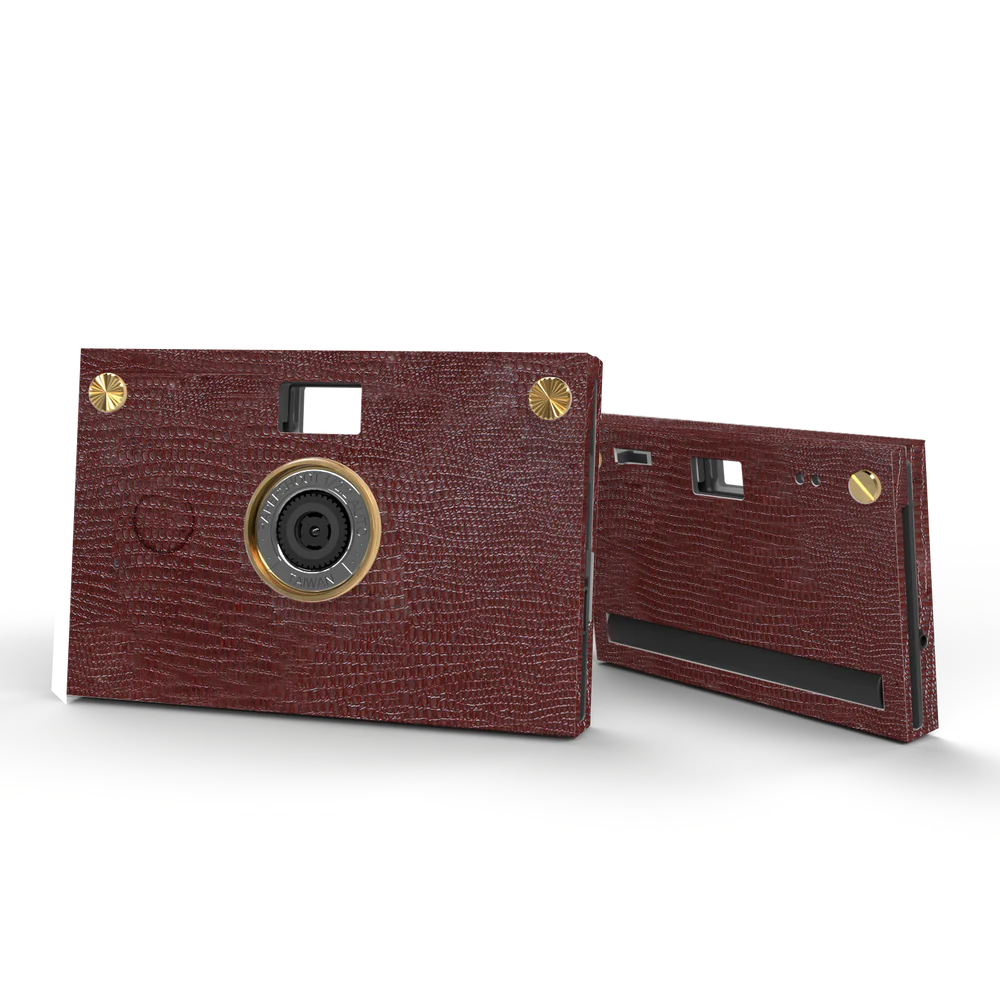
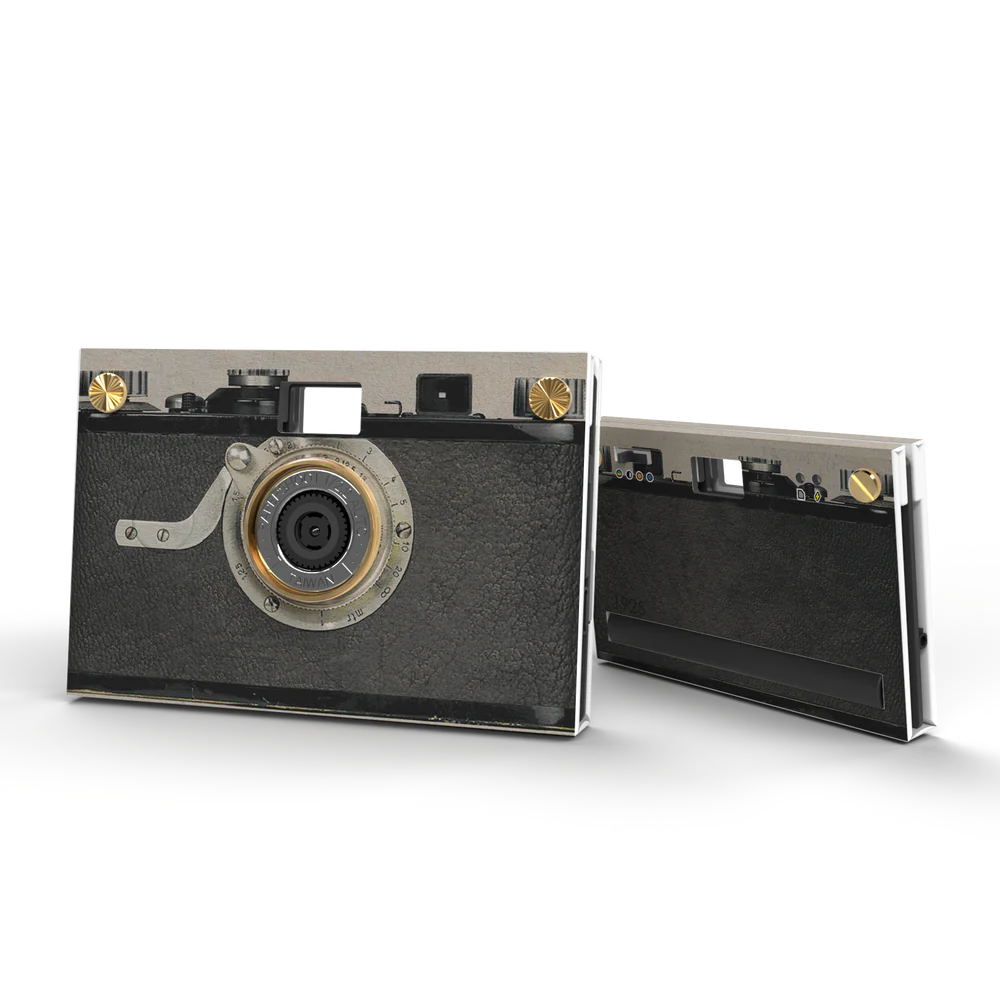
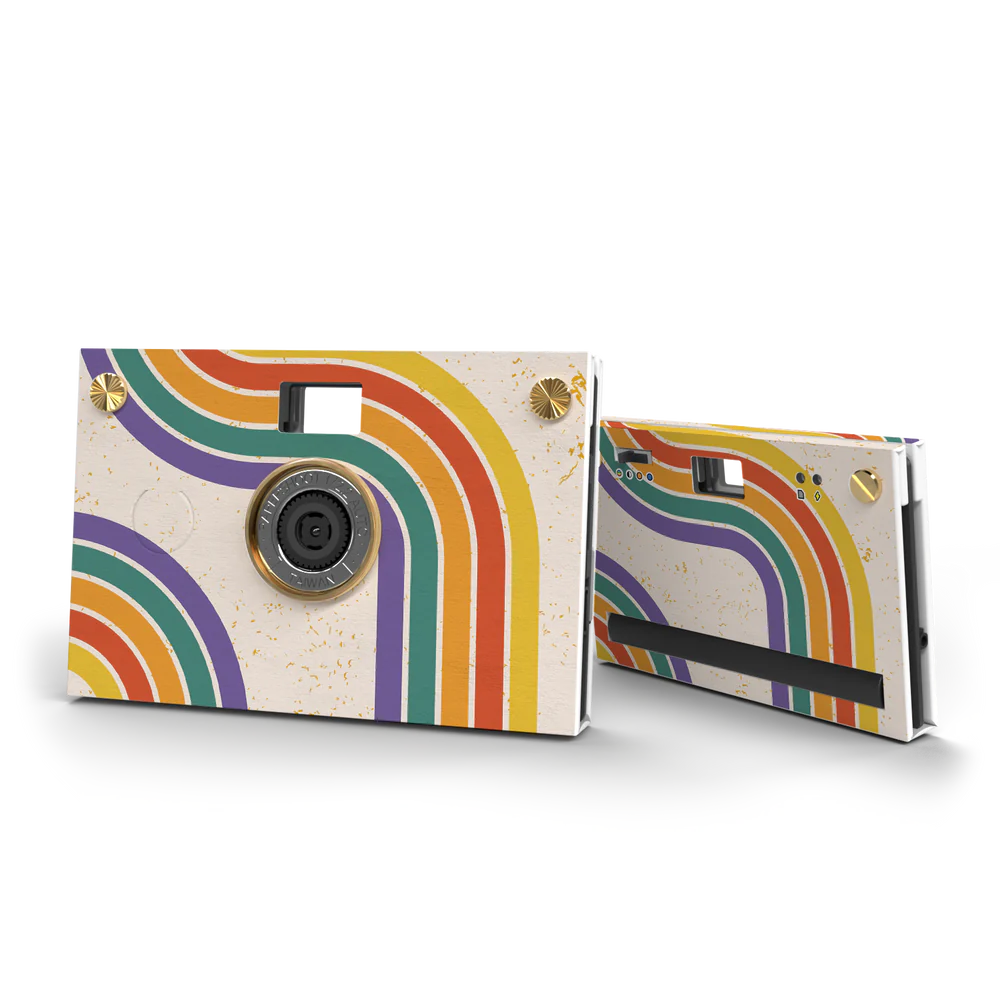
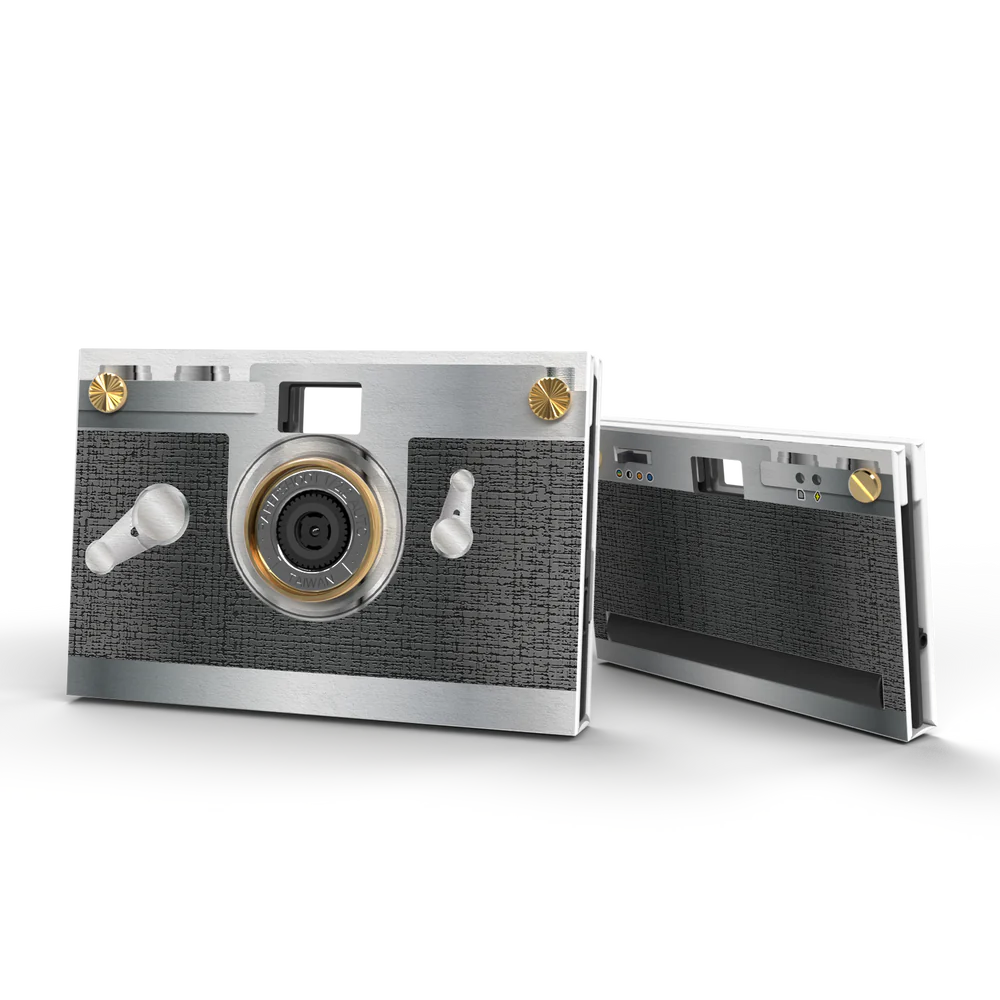
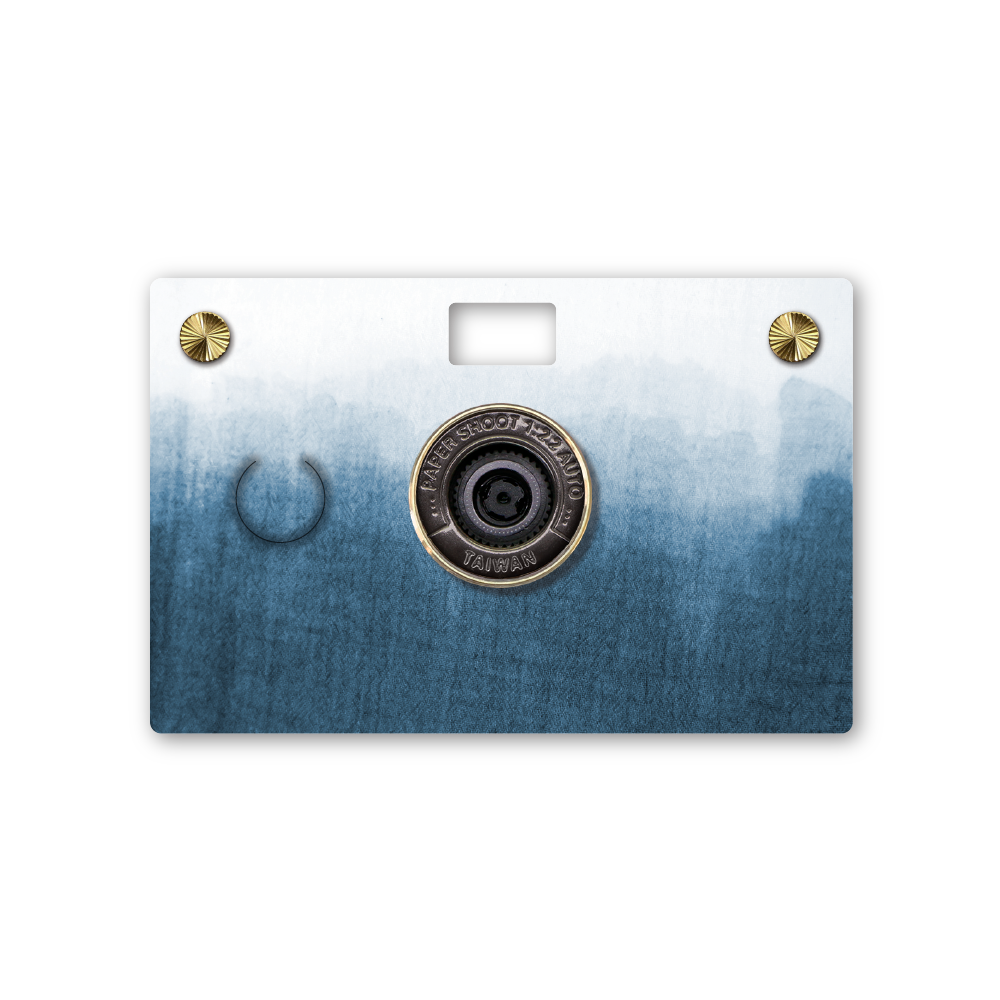
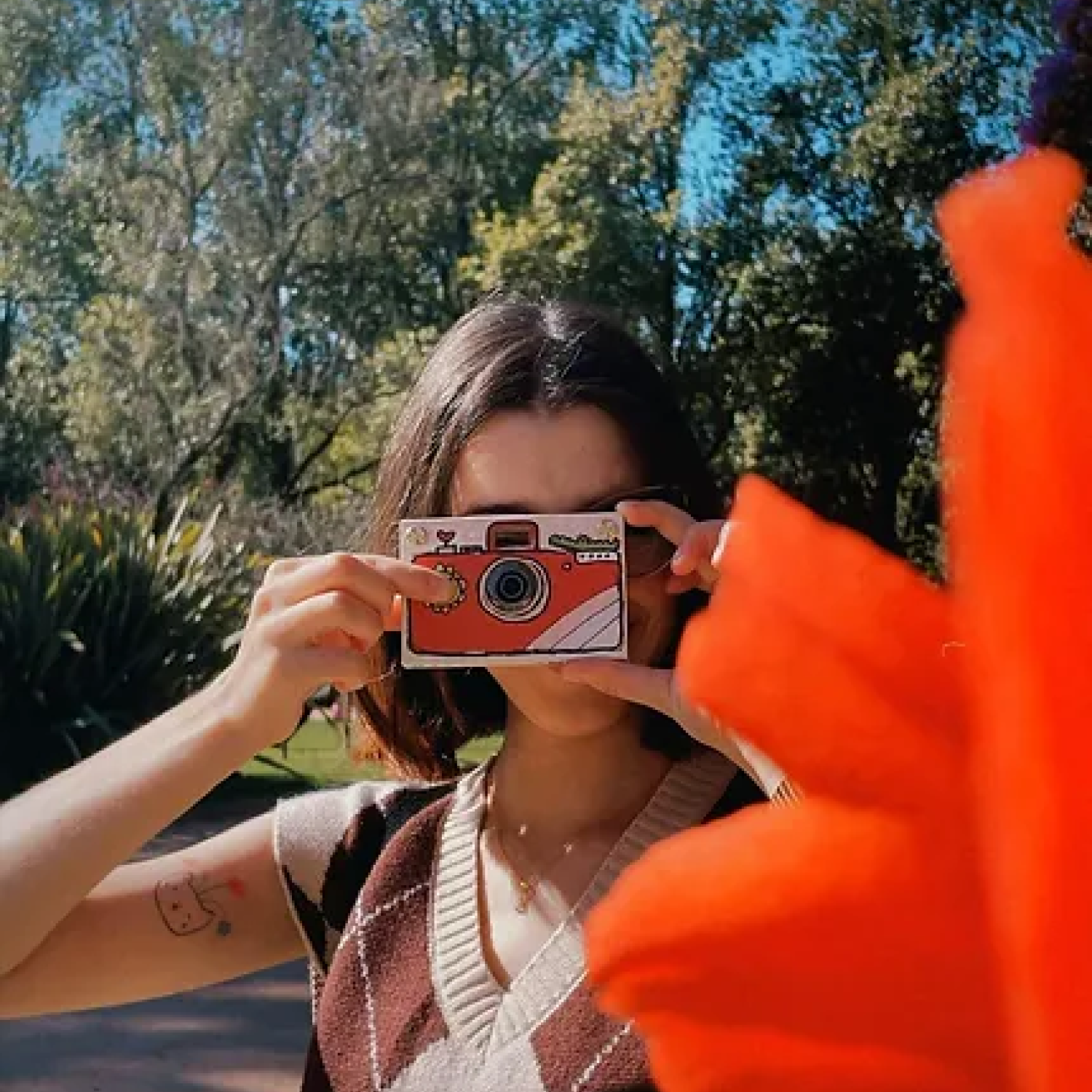
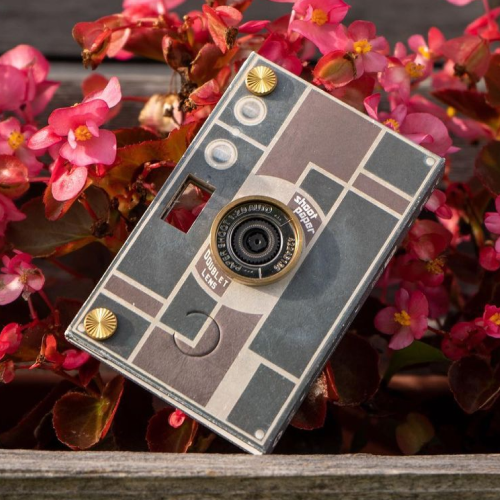
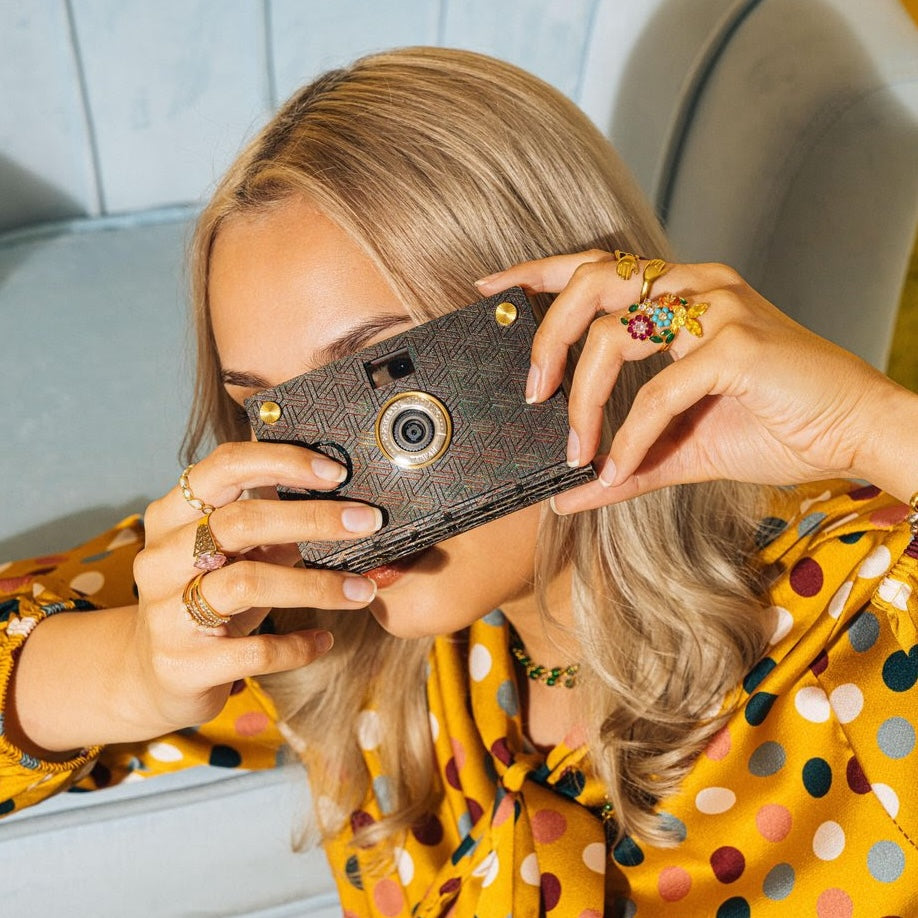
The Paper Shoot was designed exactly for that person. Durable materials, 20MP sensor, interchangeable filters, replaceable rechargeable batteries, and an accessory ecosystem that grows with you. It is the anti-disposable.